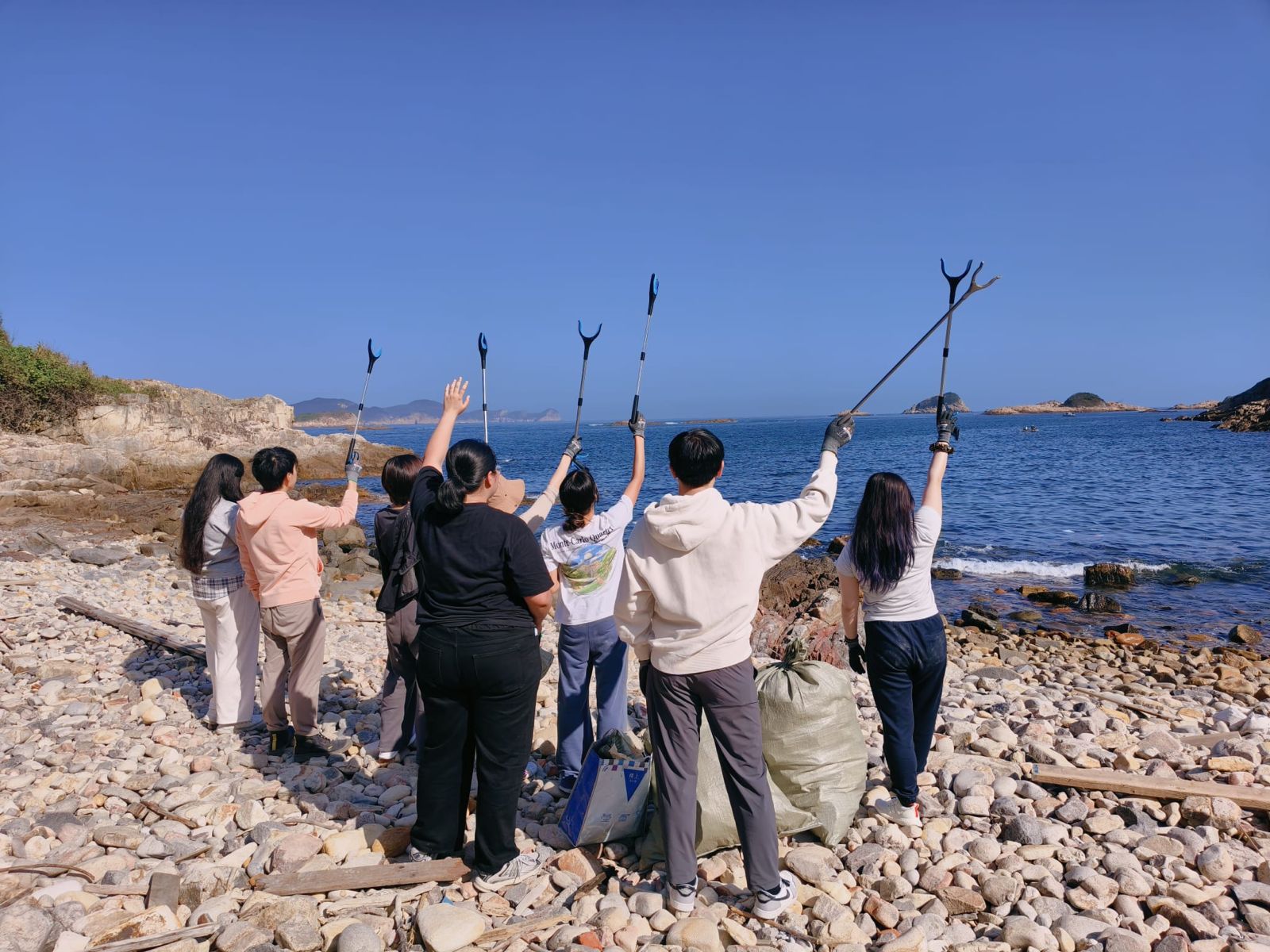
Have you realised how we humans often wait until something affects us before we decide to change?
When our body begins to suffer, we become more conscious of what we eat. When we experience burnout, we start questioning the way we work. When something we love is taken away, we suddenly realise how much it meant to us.
The same seems to happen with our relationship to the environment.
We can know that our rivers are polluted, our forests are disappearing and our ecosystems are under pressure. And yet, knowing does not always change how we live.
It is often only when something becomes personal that we truly begin to act. When environmental changes begin to affect our homes, our health or our communities, the urgency feels different.
Perhaps this is simply part of being human.
We respond most deeply to what we can feel, experience and relate to.
But I wonder: do we really have to wait until something breaks before we learn to take care of it?
Personally, I think it was through physical, emotional and environmental suffering that I began to really see; to understand how I was living, whether I wanted to keep living in that reality, and what choices I could make differently.
And perhaps this is where we need to look a little deeper.
We keep trying to change the environment without asking what creates our relationship with the environment in the first place.
I grew up going to a government school. I remember sitting through campaigns, talks and activities where people would come and tell us why we should care about the environment. We were shown the facts, given activities, and told what we should and shouldn’t do.
But honestly, how much of it really reached us?
I don’t even remember most of what was said.
Okay, maybe I do. Because it was repeated too many times.
But I don’t think that was because the message was wrong. I think it was because the message never really got connected to us.
I later became involved in social and environmental organisations. I contributed to initiatives and became part of environmental programmes. I even worked on CSR events where companies would come in and organise activities for the environment because it was part of their responsibility; something they were “expected to do”.
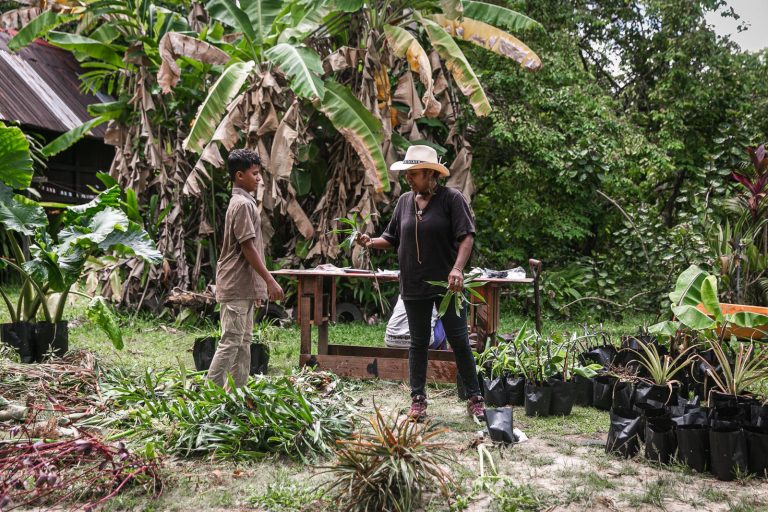
And after seeing all of this from the outside, I started to notice something happening within me.
At some point I had to ask myself:
Why am I doing this?
Do I actually care?
Or do I like being someone who cares?
Do I genuinely feel connected to the environment, or have I created an identity around being someone who is involved in these things?
That was confronting for me.
Because I realised I was so focused on what was happening outside that I wasn’t really looking at what was happening within me.
How I think.
How I feel.
What I want.
What I consume.
What I am trying to fill.
What kind of life I actually want to live.
If I am disconnected from myself or the people around me, why would I suddenly want to live differently?
If I don’t have a relationship with food, why would I care where it comes from?
If I have never touched soil, grown anything or experienced the feeling of being connected to nature, why would a campaign about saving the environment necessarily mean something to me to change how I live?
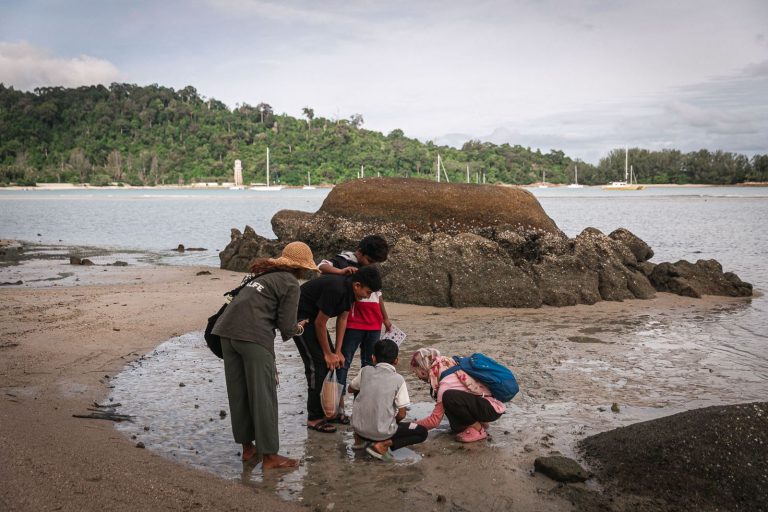
We cannot ask people to care for something they have never felt connected to.
Wellbeing and environmental change were never separate to begin with.
Because when you start coming back to yourself, your outer life starts changing too.
You might start paying attention to the food you are putting into your body.
You might start questioning the ways you consume.
You might start spending more time outside.
You might start making things with your hands.
Not because someone told you that these are the environmentally responsible things to do.
But because you start wanting something more real in your life.
And that was where life brought me back to. I was placed in Langkawi, and somehow, this became part of what I needed to experience.
I came here after feeling lost trying to live in the city. I had spent a lot of time looking outside myself for purpose, for meaning, for something that would make me feel like I was doing something “more” with my life.
And eventually I realised I needed to stop looking for another thing to do.
I needed to empty myself a little.
To forget some of what I thought I knew.
To start from the beginning and experience life from this space, in that process, I started finding myself in very simple things of life.
Cooking.
Painting.
Soil in my hands.
Sharing food.
Being around people.
just because I wanted to and I realised these things were not separate from the work I had been trying to do all along.
They were actually the foundation of it.
That realization eventually became part of what I wanted to create through my home at Liv Bumi Oasis.
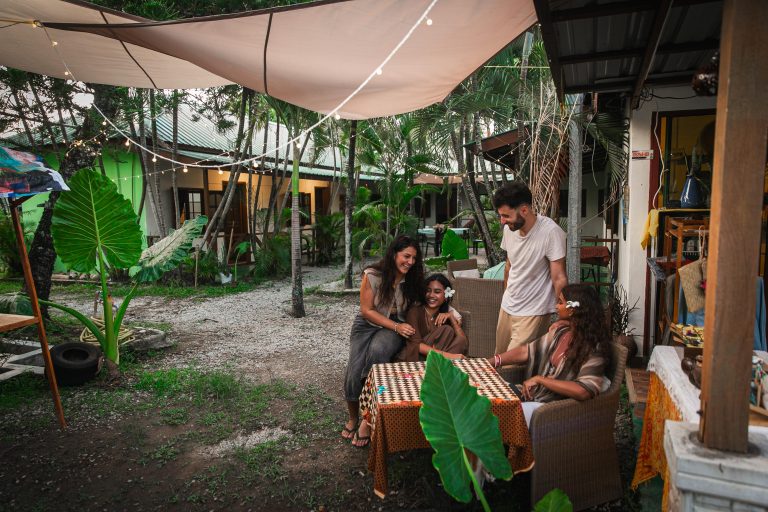
A transition space or resting ground. A place where you can step outside of the box you have been living in for a while and come back to yourself. And maybe that is where that “change” we seek for starts.
Not with being told what we should be doing for the environment. But remembering that we are so deeply part of it. something that older systems of knowledge understood much more deeply than we do today.
In Ayurveda and yoga, we are not seen as separate from the natural world. The body itself is understood as part of the same “Panchamahabhuta” – 5 great elements that make up everything around us; earth, water, fire, air and space
The same earth beneath our feet is within us. The same water that moves through the rivers moves through our bodies. We breathe the air around us. We are warmed by the same fire. And we exist within the same space together.
And perhaps, somewhere in remembering this, we begin to see the world a little differently.i
Share this article:

Shivaanie
Shivaanie has found her way through different parts of wellbeing — psychology, traditional yogic studies, massage and aromatherapy — while learning through her own life experiences what it means to feel well, connected and more at home in herself.
Today, she shares her home in Langkawi with people from different walks of life, creating a space to slow down and reconnect with the simple things that make us feel alive ; food, nature, creativity, movement, community and meaningful connection.
Her work is shaped by her exploration of yoga, Ayurveda and the natural world, and by a growing trust in the body’s own innate wisdom. She is less interested in having all the answers, and more interested in creating spaces where people can slow down, listen and find their own way back to themselves.
Shivaanie
Shivaanie has found her way through different parts of wellbeing — psychology, traditional yogic studies, massage and aromatherapy — while learning through her own life experiences what it means to feel well, connected and more at home in herself.
Today, she shares her home in Langkawi with people from different walks of life, creating a space to slow down and reconnect with the simple things that make us feel alive ; food, nature, creativity, movement, community and meaningful connection.
Her work is shaped by her exploration of yoga, Ayurveda and the natural world, and by a growing trust in the body’s own innate wisdom. She is less interested in having all the answers, and more interested in creating spaces where people can slow down, listen and find their own way back to themselves.